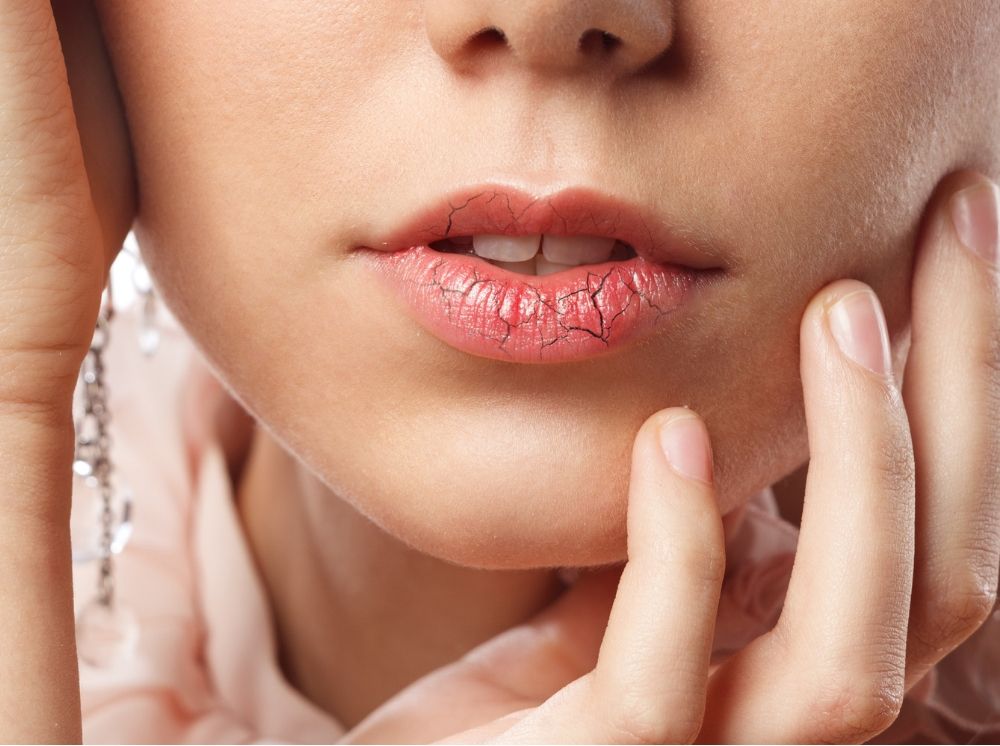
Everyone has experienced dry mouth once in a while—if they are nervous, upset or under stress. But when you have dry mouth most of the time it may be due to a medical condition known as xerostomia.
What are the symptoms of dry mouth?
- A sticky, dry feeling in the mouth or throat
- Trouble chewing, swallowing, tasting or speaking
- A burning feeling in the mouth
- A dry, tough tongue
- Cracked lips
- Gum irritation
- More frequent tooth decay
- Mouth sores
- Bad breath
What causes dry mouth?
- Side effects of some medicines- like some antidepressants, anti hypertensives, antihistamines and decongestants.
- Disease-Sjögren’s syndrome, HIV/AIDS, and diabetes can all cause dry mouth.
- Radiation therapy
- Chemotherapy
- Nerve damage. Injury to the head or neck can damage the nerves that tell salivary glands to make saliva.
- Tobacco use
- Aging
Complications
If you don’t have enough saliva and develop dry mouth, this can lead to:
- Increased plaque, tooth decay and gum disease
- Mouth sores
- Fungal infection in your mouth
- Coated tongue
- Sores or split skin at the corners of your mouth
- Cracked lips
- Poor nutrition from having problems with chewing and swallowing
What can you do to ease dry mouth?
- Sip water or sugarless drinks often.
- Avoid drinks with caffeine, such as coffee, tea, and some sodas. Caffeine can dry out the mouth.
- Sip water or a sugarless drink during meals. This will make chewing and swallowing easier. It may also improve the taste of food.
- Chew sugarless gum or suck on sugarless hard candy to stimulate saliva flow. Some sugarless chewing gums and candies contain xylitol and may help prevent cavities.
- Don’t use tobacco or alcohol. They dry out the mouth.
- Be aware that spicy or salty foods may cause pain in a dry mouth.
- Use a humidifier at night.
HOW WE WILL HELP YOU?
- By recommending products to moisturize your mouth-artificial saliva or moisturizers to lubricate your mouth.
- To protect your teeth-professional fluoride application
It is recommended to see the dentist twice yearly to prevent all sorts of dental problems.