Opening Hours : Monday to Saturday - 09:00 a.m. - 06:00 p.m.
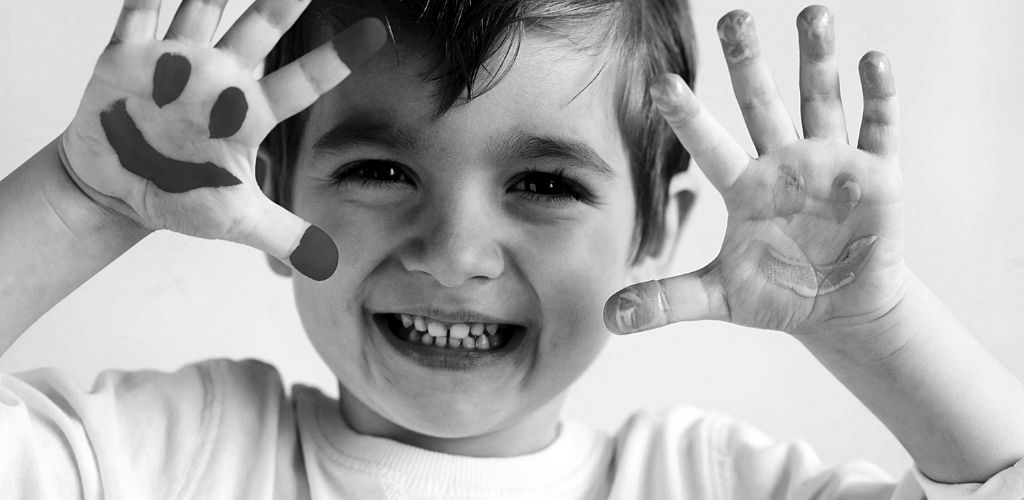
Children are special and they need to be treated so. The tendency to treat children as little adults has done untold damage to growing faces, occlusions and psychology. Our comprehensive Pediatric Dental Service boasts of providing individual attention to your little ones, taking care of their prevailing oral problems with a diligent eye for tackling their growth and psychological issues. Early interceptive treatment and a full preventive care system can ensure healthy smiles for your children. Children with special needs, handicapped children get all the attention they deserve from our competent team of skilled dentists. We build cheerful smiles.
Conscious sedation is a way of using medication to relax a child without the loss of consciousness.
We recommend that those children with severe anxiety and/or the inability to relax are candidates for sedation. Usually these children are young or have trouble managing their anxiety.
Conscious sedation aids in calming a child so that he or she can accept dental treatment in a more relaxed state. This can prevent injury to the patient and provide a better environment for delivering quality dental care. Keep in mind that it is difficult to do dentistry on a moving child.
There are many different agents that can be used for conscious sedation- there are inhalation agents (laughing gas) and medicines that are drunk from a cup. None of these sedatives render the child unconscious. Recommendations of which medication to be used are based on the child’s age, level of anxiety, amount of dental work that needs to be completed and length of appointment.
General anesthesia provides a way of effectively completing dental care while a child is unconscious. Only children with severe anxiety and/or severe tooth decay are recommended for general anesthesia. Typically, these children are young or have compromised health issues. Standard behavior management techniques may not be effective to accomplish treatment.
YES. While normal risks are always present with surgery, an anesthesiologist will put your child to sleep. They are responsible for delivering the general anesthesia, monitoring and the medical care of the child. Many precautions are taken to provide safety for the child during general anesthesia care.
Patients are monitored closely during the general anesthesia procedure by anesthesia personnel. We will discuss the benefits and risks involved with general anesthesia and why it is recommended for your child’s treatment.
Most times, your child’s surgery will be done on an “outpatient” basis. This means they will have their surgery in the morning and be allowed to go home in the afternoon.
Usually, children are tired following general anesthesia. You may wish to return home with minimal activity planned for your child until the next day. After that, you can usually return to a routine schedule.
(+91) 9914 446677
Our team will contact you asap!